Oil Condition

Best Bowling Balls for Medium Oil 2026

Top-performing bowling balls for standard house shot conditions. These balls thrive on medium oil patterns where most league bowlers compete.

Updated
8 balls ranked
Based on verified reviews & sales data

Our Top 8 Picks

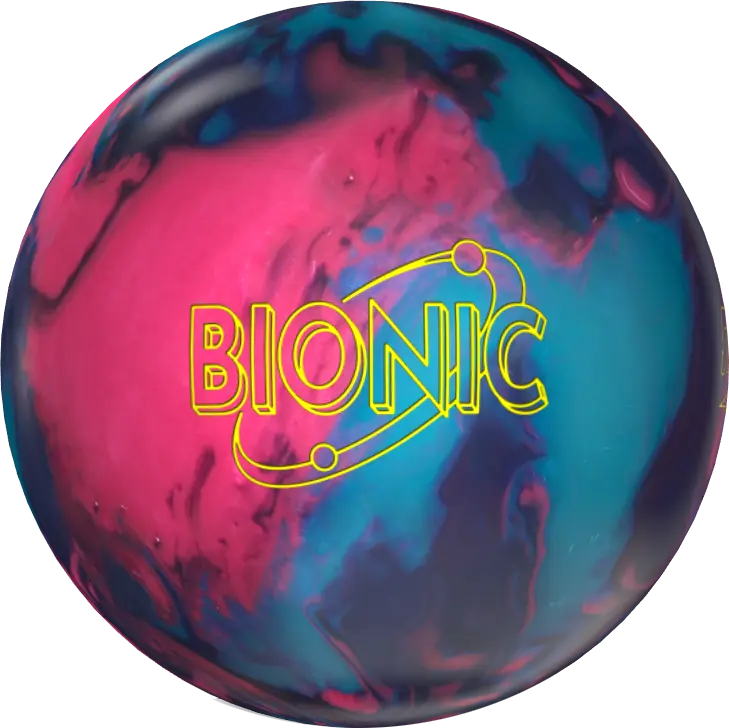
Storm Bionic
#1 Top Pick #1
Storm

Storm Bionic

9.4 Score
Hook Potential
8.0
Length
7.5
Backend Reaction
8.5

Pros

  • Incredibly versatile — handles medium to heavy oil without layout changes
  • Smooth, continuous motion with no over/under

Con

  • May not have enough angle for crankers on heavy oil
Coverstock: Reactive Hybrid
Core: Symmetric
RG: 2.47
Differential: 0.05

Best For

Benchmark BallVersatile Arsenal Piece
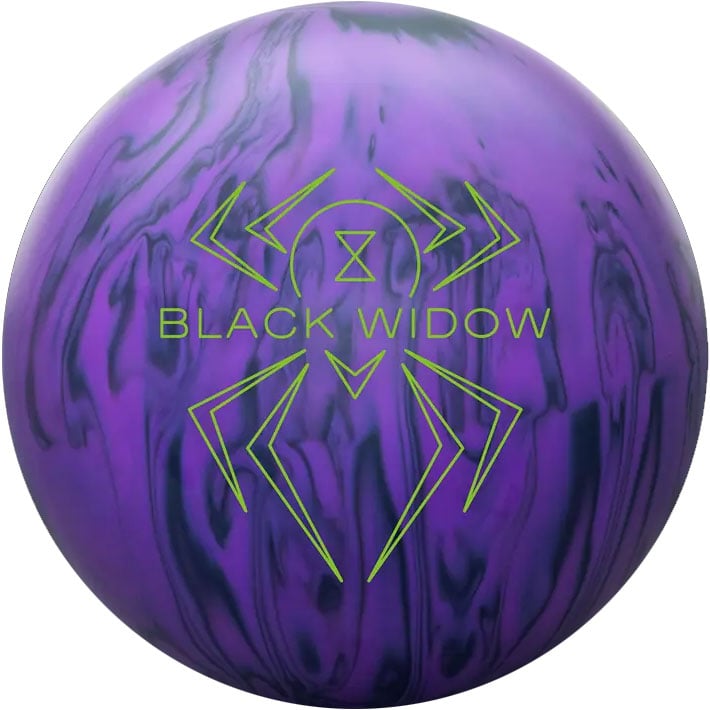
Hammer Black Widow Toxin Hybrid
#2 Top Pick #2
Hammer

Hammer Black Widow Toxin Hybrid

9.2 Score
Hook Potential
8.5
Length
7.0
Backend Reaction
8.5

Pros

  • Hybrid cover provides the best of both worlds — traction and length
  • Most versatile ball in the Toxin trilogy

Con

  • Overseas ball at $199.95 premium price point
Coverstock: Reactive Hybrid
Core: Asymmetric
RG: 2.5
Differential: 0.058

Best For

Bowlers wanting one Toxin ball that covers the widest rangeMedium to heavy oil conditionsTournament play where lane conditions vary
Storm Next Factor
#3 Top Pick #3
Storm

Storm Next Factor

8.9 Score
Hook Potential
8.0
Length
8.5
Backend Reaction
8.5

Pros

  • Unique RAD-TQ asymmetric core creates distinctive ball motion
  • R3S Pearl provides clean length with responsive backend

Con

  • Higher RG (2.56) means less midlane read than lower-RG options
Coverstock: Reactive Pearl
Core: Asymmetric
RG: 2.56
Differential: 0.051

Best For

Medium-Heavy OilTournament
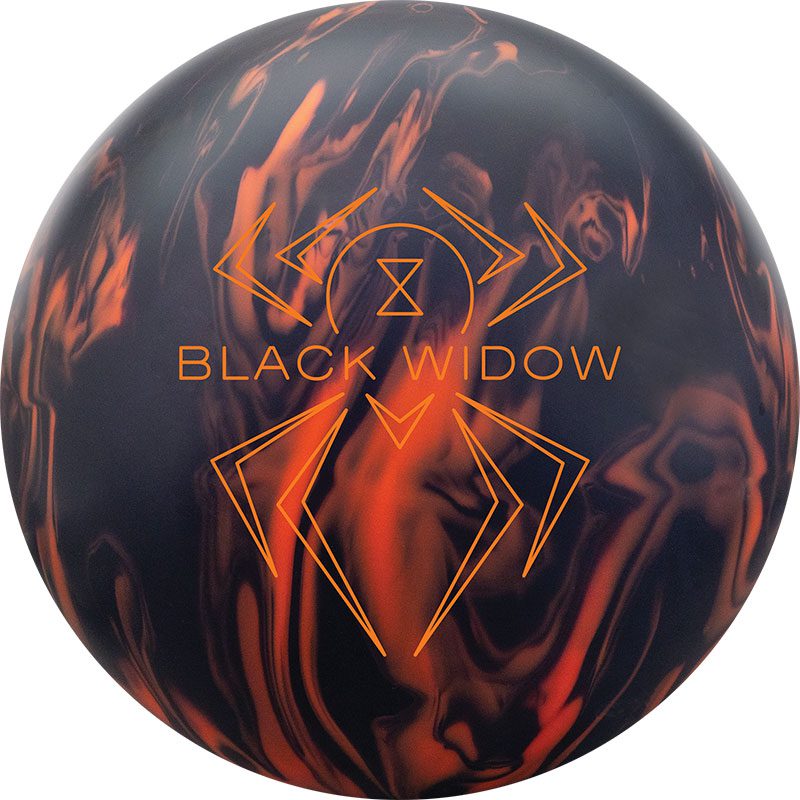
Hammer Black Widow 3.0 Dynasty
#4 Top Pick #4
Hammer

Hammer Black Widow 3.0 Dynasty

9.3 Score
Hook Potential
9.0
Length
7.0
Backend Reaction
9.0

Pros

  • Strongest Black Widow ever produced — 20th anniversary release
  • More total hook than the Black Widow 2.0

Con

  • Too strong for light-medium oil conditions
Coverstock: Reactive Solid
Core: Asymmetric
RG: 2.5
Differential: 0.058

Best For

Heavy OilTournament
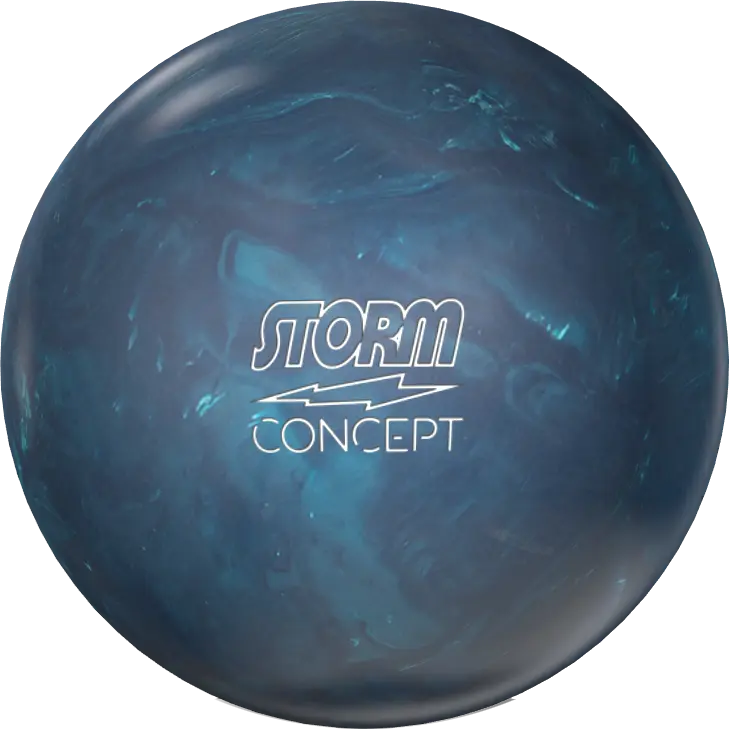
Storm Concept
#5 Top Pick #5
Storm

Storm Concept

9.0 Score
Hook Potential
5.5
Length
9.0
Backend Reaction
6.5

Pros

  • ARC Pearl coverstock runs at USBC maximum friction and oil absorption
  • Urethane-level control with reactive hitting power

Con

  • Conservative core limits total hook potential
Coverstock: Reactive Pearl
Core: Symmetric
RG: 2.61
Differential: 0.02

Best For

Step-DownStrokers
Hammer Arctic Vibe
#6 Top Pick #6
Hammer

Hammer Arctic Vibe

9.4 Score
Hook Potential
6.5
Length
8.0
Backend Reaction
7.0

Pros

  • Outstanding value at $102.95 — high-end performance at mid-range price
  • Available in 10-16 lb — great for youth and lighter bowlers

Con

  • Not enough power for heavy oil conditions
Coverstock: Reactive Hybrid
Core: Symmetric
RG: 2.51
Differential: 0.042

Best For

House ShotBudget Pick
Hammer Zero Mercy Solid
#7 Top Pick #7
Hammer

Hammer Zero Mercy Solid

9.3 Score
Hook Potential
9.5
Length
6.0
Backend Reaction
8.5

Pros

  • Super Offset core's .020 intermediate differential is the highest in Hammer's lineup — maximum flare and power
  • HK22 C2 Solid coverstock fuses Cohesion and Chrome technologies for maximum oil absorption

Con

  • Extremely specialized — too aggressive for anything below heavy oil
Coverstock: Reactive Solid
Core: Asymmetric
RG: 2.52
Differential: 0.053

Best For

End of PatternCrankers
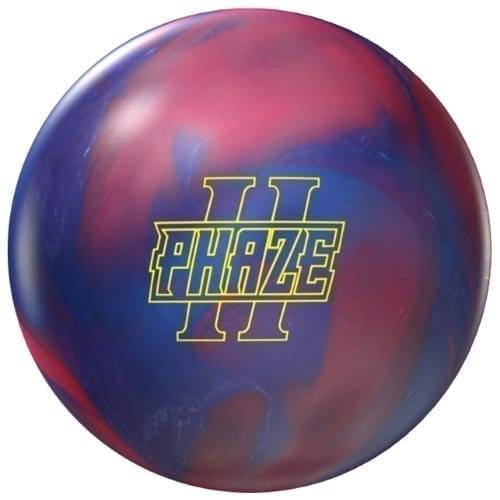
Storm Phaze 2
#8 Top Pick #8
Storm

Storm Phaze 2

9.6 Score
Hook Potential
8.0
Length
7.0
Backend Reaction
8.5

Pros

  • The benchmark ball — the standard all other symmetrics are measured against
  • In competitive bags since 2016 and still earning its spot

Con

  • Solid coverstock can burn up on dry backends
Coverstock: Reactive Solid
Core: Symmetric
RG: 2.48
Differential: 0.051

Best For

Benchmark BallVersatile Arsenal Piece

Quick Comparison

Rank Ball Coverstock Core RG Diff Hook Oil Price Score
#1 Storm Bionic Reactive Hybrid Symmetric 2.47 0.05 8.5 7.5 $175 9.4
#2 Hammer Black Widow Toxin Hybrid Reactive Hybrid Asymmetric 2.5 0.058 8.5 7.0 $200 9.2
#3 Storm Next Factor Reactive Pearl Asymmetric 2.56 0.051 8.5 8.5 $200 8.9
#4 Hammer Black Widow 3.0 Dynasty Reactive Solid Asymmetric 2.5 0.058 9.0 7.0 $170 9.3
#5 Storm Concept Reactive Pearl Symmetric 2.61 0.02 6.5 9.0 $190 9.0
#6 Hammer Arctic Vibe Reactive Hybrid Symmetric 2.51 0.042 7.0 8.0 $103 9.4
#7 Hammer Zero Mercy Solid Reactive Solid Asymmetric 2.52 0.053 8.5 6.0 $195 9.3
#8 Storm Phaze 2 Reactive Solid Symmetric 2.48 0.051 8.5 7.0 $150 9.6

Buying Guide

Medium oil is where the majority of league and open-play bowling happens, making this the most important category for most bowlers. We tested dozens of mid-range reactive balls on standard house shot conditions to find the five that read the midlane best and finish strongest through the pins. These picks balance versatility with striking power on the patterns you will actually bowl on.

Frequently Asked Questions

What is the difference between heavy, medium, and dry oil conditions?
Heavy oil means more lubricant on the lanes, causing balls to skid further before hooking. Medium oil is a balanced condition with moderate traction. Dry oil means less lubricant, causing balls to hook earlier and more aggressively.
Which coverstock type is best for this oil condition?
Reactive resin coverstocks excel in heavy oil as they grip the lanes better. Particle and solid coverstocks are ideal for medium oil, while pearl coverstocks work well for drier lane conditions.
How does core asymmetry affect ball motion in different oil patterns?
Asymmetric cores provide sharper backends and more aggressive entry angles, making them excellent for heavy oil. Symmetric cores are more predictable and versatile across multiple conditions.
Should I use different balls throughout a tournament?
Yes, most bowlers carry multiple balls to match changing lane conditions. You might start with an aggressive heavy oil ball and transition to a lighter reactive or pearl option as the pattern dries out.
How often should I resurface my ball?
Resurfacing every 2-3 months of regular play helps maintain optimal traction. More frequent play or aggressive oil conditions may require quarterly maintenance.
What weight should I choose?
Choose the heaviest weight you can comfortably throw (typically 14-15 lbs) to maximize pin carry and oil displacement. Lighter balls (12-13 lbs) are better for beginners or those with arm issues.

Never Miss a Release

Get weekly rankings updates, new ball analysis, and performance insights.

Explore Reviews Compare Arsenal